
X4 Labs Extender Review: My Experience with Injury and Recovery
I had high expectations when I ordered the X4 Labs Extender kit. After reading several reviews online, I believed this device could finally be a safe, comfortable, and effective solution. I had tried other penis extenders before, but they either caused discomfort or failed to deliver meaningful results. The marketing promised adjustable tension, a soft comfort strap, and daily usability without pain, which made me confident it would be different.
Unfortunately, my experience quickly turned frustrating and painful. Within a few days of use, I developed serious discomfort that escalated into an injury requiring medical attention. This X4 Labs Extender review shares my journey from hope to injury, the medical recovery process, and the lessons I learned about using such devices safely.
Why I Chose X4 Labs Extender
I was searching for a device I could use at home without complicated setups. X4 Labs Extender promised gradual results, ergonomic design, and comfort even during extended sessions.
The multiple extension rods and soft strap made it seem safer than previous extenders I had tried. I hoped that following the instructions carefully would allow me to make consistent progress without any major issues.
Unboxing and First Impressions
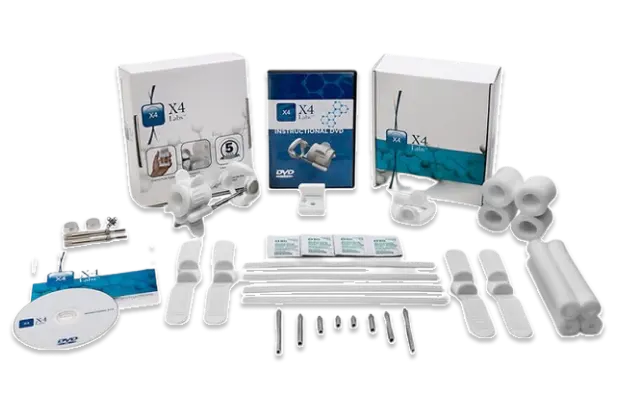
When the kit arrived, I was initially impressed. The package included the main extender device, several extension rods, a soft comfort strap, a storage case, and a basic instruction manual.
The materials appeared solid. The frame felt sturdy, and the comfort strap seemed sufficient to prevent pressure points. The manual included setup instructions, tension adjustment guidance, and recommended session durations. Everything seemed professional, and I felt optimistic about my first session.
Early Sessions and Initial Discomfort
I began with short, low-tension sessions as suggested in the manual. At first, the device felt manageable, and the strap seemed effective in keeping the device in place. The tension appeared even, and I assumed the slight tightness was normal.
However, after the second day, I noticed redness along certain pressure points and mild swelling. I tried adjusting the strap and lowering the tension, thinking my body just needed time to adapt. Even so, the discomfort did not fully subside.
Pain That Worsened
By the end of the first week, the pain had increased. I began feeling sharp pulling sensations in certain areas, and bruising started to appear. Even small movements, like walking or sitting, caused discomfort.
Despite reducing session time and tension, the pain did not improve. I realized this was no longer typical soreness. Something about the device’s pressure distribution was causing tissue strain.
Injury Occurs
During one session, I felt a sudden sharp pain when adjusting the tension. The comfort strap had slipped slightly, concentrating pressure on a sensitive area. The pain was immediate and intense. Swelling increased, and bruising became more noticeable. I knew I had sustained a soft tissue injury.
Medical Attention
I sought medical help the next day. The doctor confirmed that I had a soft tissue strain caused by uneven pressure from the device. The misalignment of the strap and device frame had stressed the tissue beyond safe limits.
I was instructed to stop using the device completely. My recovery plan included rest, anti-inflammatory ointments, and gentle exercises to restore flexibility. I also had to avoid activities that could aggravate the injury for several weeks.
Recovery Process
Recovery was slow and frustrating. Swelling gradually subsided, but soreness persisted during daily movements. I had to limit physical activity and monitor the area carefully to prevent further strain.
During recovery, I realized that while the device was well-constructed, its design could not compensate for the risk of misalignment. Even with careful use, uneven pressure could occur, and the instructions did not provide adequate warnings or guidance.
Lessons Learned
The experience taught me to approach at-home extenders with caution. No matter how well-built a device seems, anatomy and proper alignment play a critical role in preventing injury.
Listening to your body is essential. Persistent pain, redness, or swelling is a clear sign to stop using the device. Gradual progress is important, and rushing sessions or increasing tension too quickly can result in serious injury.
What Went Wrong
Several factors contributed to my injury. The X4 Labs Extender applied uneven pressure when the strap shifted. The comfort strap did not fully prevent strain on all areas. The instructions were too general and lacked detailed warnings for beginners about potential risks and alignment issues.
My eagerness to see results also led me to continue sessions despite mild discomfort. This combination of user error and insufficient guidance caused the soft tissue injury that required medical care.
Is X4 Labs Extender Worth It?
Based on my experience, I cannot recommend this device. The potential for injury is significant, especially for beginners or anyone unfamiliar with traction devices.
Even though the device appeared professional and durable, the risks outweighed the benefits. The time, discomfort, and medical attention needed to recover were far greater than any progress I made during initial use.
Final Thoughts
I wish I had researched safer alternatives or sought guidance from a medical professional before using X4 Labs Extender. The promise of comfort and gradual improvement was tempting, but it came at a personal cost.
This X4 Labs Extender review shares my honest experience. The device caused injury, disrupted daily life, and required medical care. I hope it helps potential users proceed with extreme caution and prioritize safety over results.